You are viewing 1 of your 1 free articles
Call for evidence on life in temporary accommodation for neurodivergent children extended
The deadline has been extended to submit evidence for the first UK-wide investigation into what life in temporary accommodation is like for families with neurodivergent children.


 The deadline has been extended to submit evidence for the first UK-wide investigation into what life in temporary accommodation is like for families with neurodivergent children #UKhousing
The new deadline to submit evidence is 4 July, for parents, carers or professionals who support families, to share their experiences.
The research, launched in May, seeks to find out more about the impact that staying in temporary accommodation has in the short and long term on neurodivergent children’s health, well-being and education.
Read More

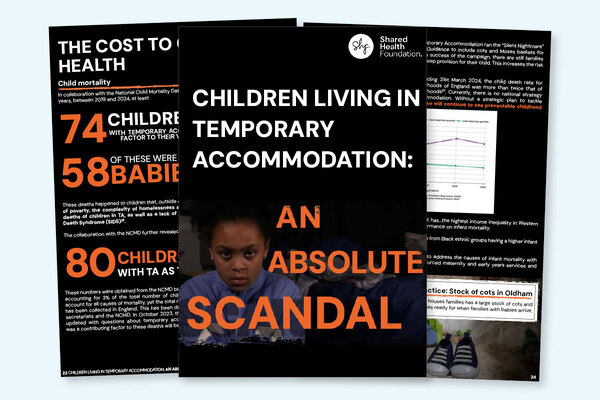
It is a collaboration between the All-Party Parliamentary Group (APPG) for Households in Temporary Accommodation, researchers at King’s College London, the Shared Health Foundation charity and Autistica, an autism research and campaigning charity.
The evidence will be used to campaign for better support for families with neurodivergent children living in temporary accommodation.
The findings will be launched in Westminster via the APPG in late 2025 or early 2026.
Currently, there is no large-scale data on the experiences of homeless families with neurodivergent children in the UK.
Inside Housing has reported extensively on the impact on families of life in temporary accommodation. Our own research indicates that there are more than 39,000 households in temporary accommodation with children aged under five.
Last month, government statistics revealed that the number of children living in temporary accommodation in England had increased by 14% in a year, to 165,510.
A total of 23,230 households are stuck in B&Bs and hostels, some of the most damaging forms of temporary accommodation for children – a rise of 5% in a year.
Sign up for our homelessness bulletin

Already have an account? Click here to manage your newsletters
Related stories