You are viewing 1 of your 1 free articles
Council votes to bring ALMO back under direct control
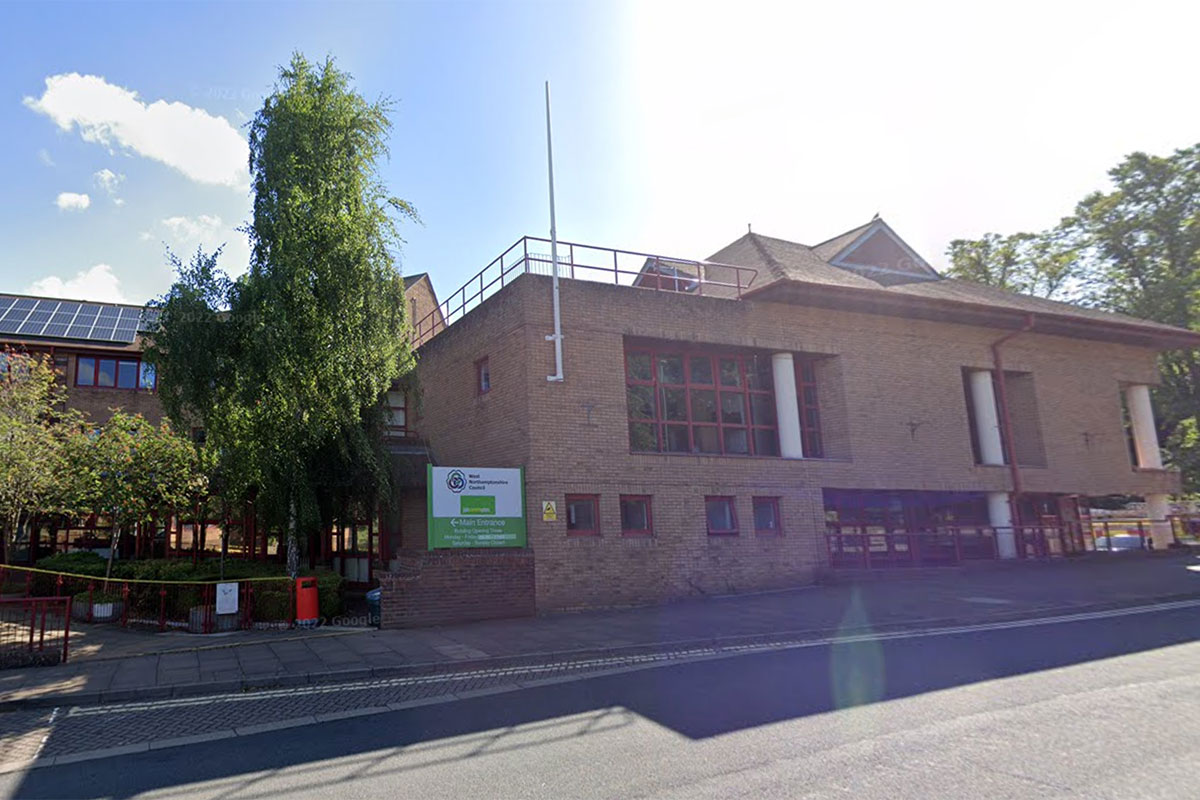
West Northamptonshire Council has voted to bring its ALMO back under direct control.


 Council votes to bring ALMO back under direct control #UKhousing
At a council meeting this month, councillors approved a phased transfer approach over the next two years for Northamptonshire Partnership Homes (NPH), which manages around 11,500 homes on behalf of the local authority.
They approved the recommendation, one of three the council was considering. It will only finalise the plan after a consultation over the summer, which will include tenants.
The current management agreement expires in January 2030 but the council reserves the right to terminate the contract if NPH fails to comply with its obligations.
The Regulator of Social Housing (RSH) handed the council a non-complaint consumer standard grade of C3 in November.
The council had self-referred over issues around data quality and health and safety compliance in its housing service.
In its judgement, the RSH said the council “does not have adequate systems and processes in place for the delivery and oversight of legal requirements relating to health and safety of tenants”.
“As a result of this, West Northamptonshire Council is unable to provide assurance that it is completing all necessary health and safety checks in relation to fire, electrical, water, asbestos, lifts, and smoke and carbon monoxide alarms, and that any remedial actions are being completed within appropriate timescales.
“The lack of assurance means that the extent and materiality of these issues is currently not clear to West Northamptonshire Council, and the council is unable to evidence that it is effectively mitigating the risks posed to tenants,” the RSH found.
Last year, the Conservative administration accepted the English regulator’s judgement and attempted to remedy the situation by creating a shared plan of action with NPH, vowing to take immediate steps to address its failings.
In May, Reform took control of the council in local elections and moved to bring NPH back under direct control.
Charlie Hastie, cabinet member for housing, said: “This is a significant decision that would allow us to simplify governance, deliver better value for money, and most importantly, ensure our residents continue to receive a safe, responsive and accountable housing service.”
The council is one of several making the decision to bring their ALMOs under direct control in recent years.
Councils often cite increased regulation and financial pressures as reasons for the move.
At the same time, the first year of the regulator’s tenant satisfaction measures showed that ALMOs fared better than councils and housing associations.
Sign up for our Council Focus newsletter

Already have an account? Click here to manage your newsletters
Related stories