You are viewing 1 of your 1 free articles
Fifth of households that lived in cold or mouldy homes said hazards caused breathing issues, survey finds
A fifth of people who have lived in damp, cold or mouldy homes said they or someone they lived with had respiratory symptoms as a result of the hazards, a survey has revealed.


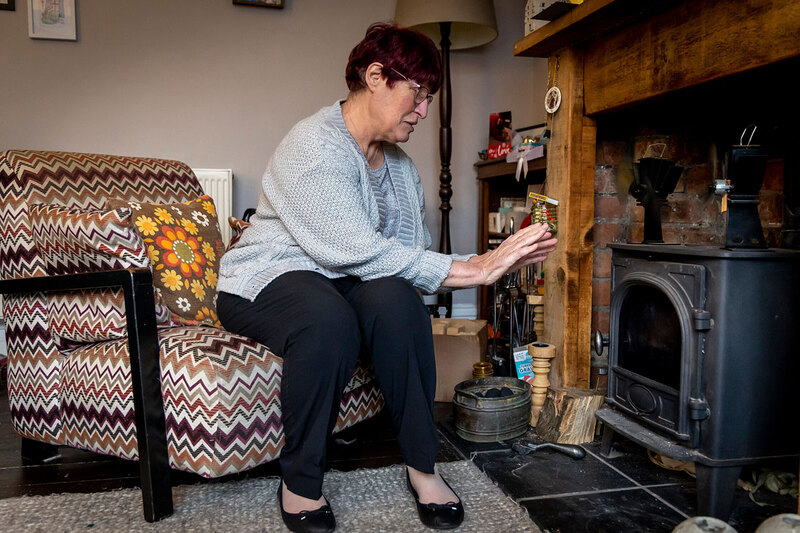 Fifth of households that lived in cold or mouldy homes said hazards caused breathing issues, survey finds #UKhousingA fifth of people who have lived in damp, cold or mouldy homes said they or someone they lived with had respiratory symptoms as a result of the hazards #UKhousing
Nearly a third of respondents had a member of the household who suffered stress, anxiety or depression because of these problems in their home, and one in 10 reported that it had caused cardiovascular symptoms for them or someone they lived with.
The findings are from a representative poll of nearly 4,000 people conducted by Censuswide for campaign group Health Equals in autumn last year.
The research was highlighted in a report by the Centre for Ageing Better published on 18 December; it called on the government to take more action on poor-quality homes.
The thinktank’s suggestions include bringing forward the new Decent Homes Standard implementation date, putting in place cross-department targets to reduce the number of non-decent homes across all tenures every year and rolling out hubs across the country to help people improve their homes.
Read More


Other findings from the research include the disproportionate impact of damp, mouldy and cold homes on people with health conditions, Black households and people on lower incomes.
People living in housing with these issues were almost twice as likely to say their household includes a person suffering asthma or a weakened immune system than people living in homes that are not cold and free of damp and mould.
The briefing did not suggest that the hazards caused these health problems, but highlighted that people with existing health conditions are at greater risk from damp and mould, as set out in government guidance issued in 2024.
But it claimed the negative health effects from these hazards can be long-lasting, citing the fact that 37% of the survey’s respondents who had lived in a cold, damp or mouldy home in the past had at least one member of the household with asthma or a weakened immune system, compared to an average 30% across the board.
The research highlighted that Black residents are more at risk from these hazards. It found that Black households living in damp, mouldy or cold homes were more likely to need medical treatment for symptoms resulting from the hazards compared with their white counterparts.
Black households are also twice as likely to have a child or older relative be the one needing the treatment.
The poll revealed that low-income households, those on £15,000 per year or less, are nearly twice as likely to live in damp or mouldy homes as richer households earning £75,000 per year or more.
Millie Brown, deputy director for homes at the Centre for Ageing Better, said: “No one should have to live in a cold, damp or mouldy home that damages their health and potentially poses a threat to their life.
“But the reality is that many people most at risk, especially those with health conditions and older people, are disproportionately living in poor-quality homes that are making them more ill.
“Beyond the physical and mental health impact of our poor-quality housing stock, the UK pays a heavy financial cost, too.
“Low-income people in particular are paying sky-high energy prices beyond their means and still not feeling the benefit as the warmth seeps out of their poor-quality homes like water through a sieve.
“The vast majority of older people cannot heat their home to a comfortable temperature.
“The NHS spends more than £1bn a year treating people in England alone for conditions related to excess cold or damp in the home. Preventative home improvement measures could reduce this bill considerably.”
Paul McDonald, chief campaigns officer at Health Equals, said: “This report lays bare a health crisis hidden inside people’s homes. Millions are living with issues like damp, cold or mould; conditions proven to damage health and worsen chronic illnesses like asthma and heart disease.
“A warm, dry, and healthy home isn’t a luxury, it’s a basic human right and is one of the building blocks of good health. But these building blocks don’t stack up for everyone.
“That’s why we need to see a cross-government health inequalities strategy that prioritises prevention, sets ambitious targets and makes better health a shared goal for every part of government.”
Sign up to Inside Housing’s Asset Management newsletter
Inside Housing’s Asset Management newsletter brings you comprehensive in-depth news, comment, insight and analysis of how affordable housing providers are managing their homes.
Already have an account? Click here to manage your newsletters.
Related stories