You are viewing 1 of your 1 free articles
More than 20 councils warn government’s accessible housing target is ‘not ambitious enough’
More than 20 local authorities have said the government’s proposed target for accessible housing is “not ambitious enough”.


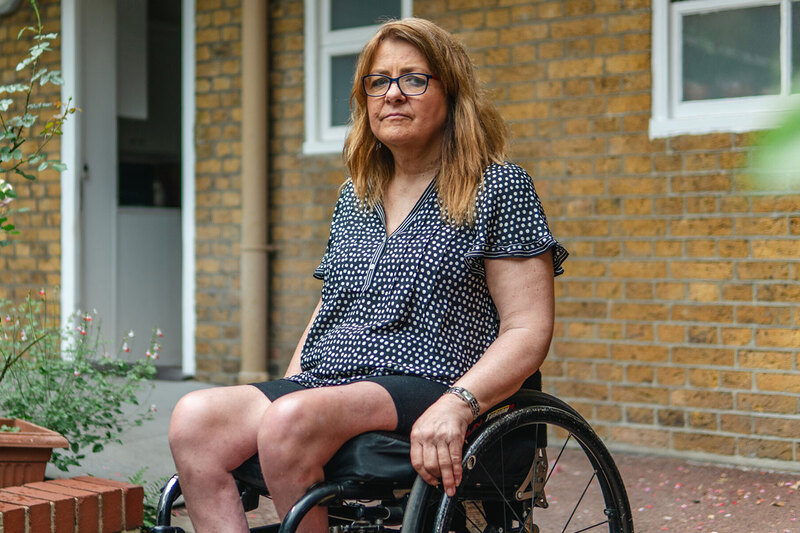 More than 20 local authorities have said the government’s proposed target for accessible housing is “not ambitious enough” #UKhousing
The findings come from councils that responded to the Centre for Ageing Better’s informal survey.
The national charity and partner organisations accused ministers of “aiming too low” with their proposed 40% minimum target for accessible homes under reforms to the National Planning Policy Framework (NPPF), warning that it risks failing to address the scale of the issue.
The Housing Made for Everyone Coalition, which is co-chaired by the Centre for Ageing Better and Habinteg Housing Association, is calling on the government to raise the minimum target before the reforms come into force.
In addition to the survey, Freedom of Information (FOI) responses analysed by the national charity found that some councils are already significantly overshooting the government’s proposed minimum, while others have set themselves more ambitious targets.
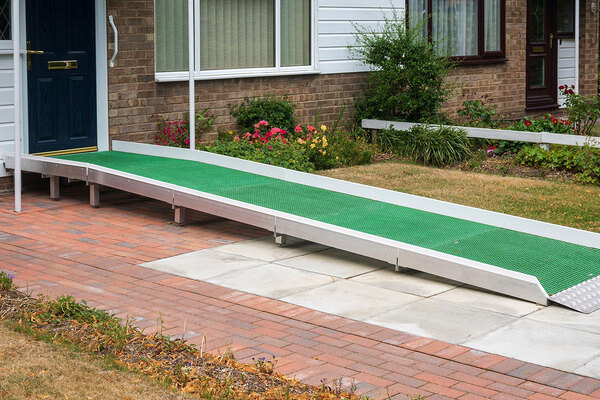
The M4(2) standard includes step-free access, wider doors and corridors, and layouts that allow for easy and cost-effective adaptations over time.
The FOI research also found that many councils do not record the number of accessible homes planned or completed within their boundaries.
The wide-ranging NPPF consultation closed in March, and the government is expected to respond in the coming months.
The Centre for Ageing Better said robust policies are urgently needed to ensure more accessible homes are delivered. Its analysis found that 12 million people in England are living in homes that do not meet their accessibility needs.
Plus, 87% of homes across England do not have all four basic accessibility features that make a home visitable for most people, as set out in minimum housing standards.
Housing accessibility also varies drastically by region. In London, 17% of homes meet the four basic accessibility criteria, more than double the proportion in the North West and West Midlands, both at 8%.
The previous Conservative government announced plans almost four years ago to require all new homes to have step-free access at entrance level, as well as other accessibility features as a minimum requirement. However, a second consultation intended to finalise the move to the new regulations never materialised.
Millie Brown, head of homes at the Centre for Ageing Better, said: “Having a minimum target of new housing that has to meet higher accessibility standards is a positive step forward and is an important recognition from the government of the importance of building more homes that meet the needs of our country’s growing ageing and disabled populations.
“But we are not alone as an organisation in believing that the government should go further if it really wants to tackle the scale of the issue here. Local authorities, which know only too well what can be practically achieved, have also echoed this call.”
She warned that the “real risk” of setting the minimum target too low is that councils “will not be closing the accessibility need gap quickly enough”, leaving residents living in homes that make day-to-day life difficult “for years to come”.
Ms Brown added: “Having insufficient minimum targets also sets up the risk of deepening the postcode lottery of accessible housing, with some local authorities happy to just hit the minimum target while others treat the issue with a higher priority and achieve 80-95% accessible housing, therefore making it much easier for their residents to find a home in their local area which meets their accessibility needs.
“Everyone deserves a good-quality home that keeps them safe, healthy and secure. Accessible homes enable people with mobility issues or disabilities to live independently and safely, helping avoid injuries and falls.
“Everyone can benefit from accessible homes, including families using prams and anyone who has older people or friends with mobility issues visiting them. The government should be aiming to make this a reality for more people, more quickly.”
Previous polling carried out for the Centre for Ageing Better found that more than three in four people (77%) think all new homes should be built to a standard that allows people to live independently as they age or if they become disabled.
Sign up to Inside Housing’s Asset Management newsletter
Inside Housing’s Asset Management newsletter brings you comprehensive in-depth news, comment, insight and analysis of how affordable housing providers are managing their homes.
Already have an account? Click here to manage your newsletters.
Related stories