You are viewing 1 of your 1 free articles
Welsh councils in ‘firefighting mode’ over homelessness
Councils in Wales have made “limited progress” in preventing homelessness and are failing to use tools at their disposal that could save money on temporary accommodation, a new report has claimed.


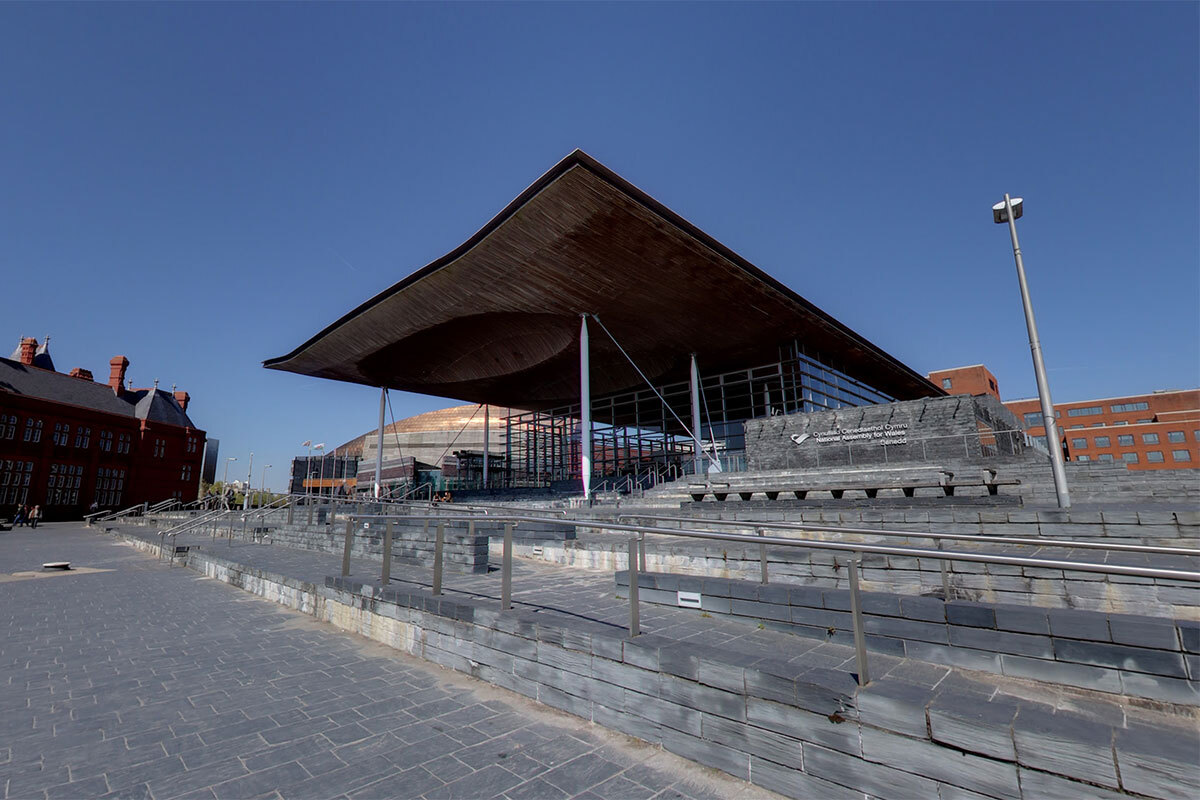 Welsh councils in ‘firefighting mode’ over homelessness #UKhousingCouncils in Wales have made “limited progress” in preventing homelessness and are failing to use tools at their disposal, a new report has claimed #UKhousing
Audit Wales, the body responsible for making sure public money is managed well, said in the report that councils are focused on managing demand rather than preventing homelessness and providing value for money.
The report, titled Temporary accommodation, long-term crisis?, found that councils are not using “the full range of preventative approaches” to prevent homelessness.
Councils also find it “difficult to predict demand for temporary accommodation in the medium to long term” and lack clear plans to ensure their workforce is equipped to prevent demand for temporary accommodation.
Audit Wales added that councils “find it difficult to work well with partner organisations to prevent homelessness”.
The report suggested there are existing tools that councils could use to “potentially” improve the situation, such as evaluating the value for money of their temporary accommodation by benchmarking costs.
Between 2019-20 and 2023-24, councils spent £356m of revenue and £92m of capital funding on temporary accommodation, the report said.
Councils that own temporary accommodation often lack clear maintenance plans to reduce repair costs and improve quality, it found.
While most councils use data to better understand barriers to prevention, Audit Wales said that “only a few councils and their partners regularly assess how well their prevention approaches are working”.
The most recent statistics showed that more than 10,500 people, 2,500 of whom are children, are living in temporary accommodation in Wales.
Adrian Crompton, auditor general for Wales, said: “Councils are currently in ‘firefighting’ mode, focused on dealing with high costs and levels of demand. I recognise how challenging it may be to make the shift, but councils need to focus more on prevention and assessing the value for money of temporary accommodation options.
“There’s a risk if this doesn’t happen that short-term solutions will become a long-term crisis both for those experiencing homelessness and for public finances.”
The report follows an open letter from charities Shelter Cymru and the Bevan Foundation to the first minister that highlighted “alarming” numbers of people in temporary accommodation.
Signed by more than 1,000 people, the letter called for “more determined more action to drive down the numbers of people in temporary accommodation and to increase the availability of permanent homes”.
The charities said that the number of households in temporary accommodation had almost doubled during the last Senedd term, but added that there had been progress in recent months, with the number of people in temporary accommodation falling and “record” investment pledged for new social homes.
Robin White, head of campaigns at Shelter Cymru, said: “We know local authorities don’t want to be reliant on B&Bs and other expensive short-term solutions.
“That’s why we need the Welsh government to make tackling the housing emergency a cross-government priority and continue to grow investment in providing social homes.”
Wendy Dearden, senior policy and research officer at the Bevan Foundation, added: “We recognise that local authorities are doing the best that they can to help people, but a shortage of affordable homes for them to move onto is putting huge pressure on the system.
“The current situation is untenable, and we are asking the Senedd to act swiftly and decisively. There is no time to waste.”
A spokesperson for the Welsh government said: “The high numbers of people being supported with temporary accommodation reflects the ongoing pressures within the system and the effect of the cost-of-living crisis.
“We’re taking a ‘no-one left out’ approach in Wales so that no one should be forced to sleep rough and are investing over £240m in homelessness prevention and housing support this year alone.
“We’ve invested nearly £2bn this Senedd term to deliver more social housing and are seeing some of our highest delivery rates in almost 20 years.”
A report published by the Bevan Foundation last year found that a shortfall in social housing has led to one in every 215 Welsh households living in temporary accommodation.
Last year, Audit Wales predicted that the Welsh government was likely to miss its target of delivering 20,000 low-carbon homes “without significant additional spending”.
Sign up for our Wales newsletter

New to Inside Housing? Click here to register and receive our Wales round-up straight to your inbox
Already have an account? Click here to manage your newsletters
Related stories