You are viewing 1 of your 1 free articles
How can housing be a tool to improve education access for refugee and migrant children?
Education, housing and support services need to work together to tackle schooling delays for refugee and asylum-seeking children, writes Fuad Mahamed, founder and chief executive of refugee and migrant housing provider ACH


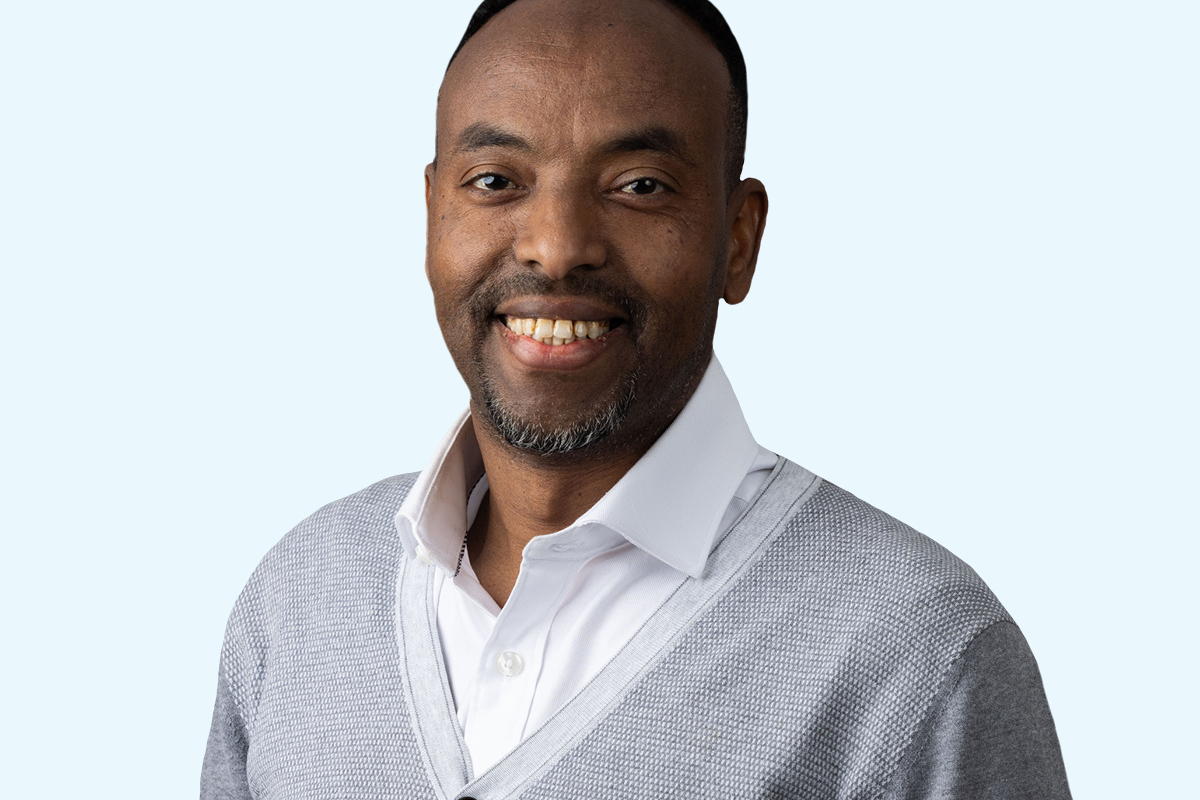 Education, housing and support services need to work together to tackle schooling delays for refugee and asylum-seeking children, writes Fuad Mahamed, founder and chief executive of refugee and migrant housing provider ACH #UKhousing
According to Experiences of Accessing Education in Asylum Accommodation, a report produced by Together with Migrant Children and the Public Law Project, children living in asylum support accommodation frequently experience school placement delays of up to eight weeks.
Unfortunately, this is a widespread problem. Education delays for refugee and asylum-seeking children is a widespread issue. Families are often placed in areas where there’s available accommodation for them, but not all of these local areas meet their children’s learning needs.
Increasing reliance by successive governments on hotels and other temporary accommodation to house asylum-seeking families has added to the problem. What we’re now seeing is high concentrations of families being placed in certain areas at the same time, putting additional pressure on already overstretched local education systems.

I was fortunate, and so were my siblings. We got into good schools relatively quickly after arriving in the UK from Somalia.
Crucially, these schools had the necessary support structures to nurture children from different backgrounds and cultures, including those who didn’t speak English as their first language. And our teaching assistants had the relevant community experience and skills to deliver our lessons in a culturally sensitive way. This made a huge difference to our ability to quickly pick up where we’d left off with our learning.
“If we’re serious about supporting children from newly arrived communities, we need joined-up systems that connect housing, education and social support, rather than treating them as separate issues”
But times have changed, with the availability of accommodation overshadowing the availability of school places and the wider education support services needed to help refugee and asylum-seeking children learn.
Changes need to happen, starting with a rethink of current dispersal policies, so that accommodation and local school places, as well as the associated support systems, are part of the same decision-making process.
At the same time, hidden homelessness and overcrowding must be properly addressed. If we’re serious about supporting children from newly arrived communities, we need joined-up systems that connect housing, education and social support, rather than treating them as separate issues.
Insecure and unsuitable housing prevents children from fully engaging with education and is yet another barrier that prevents refugees and migrants from going on to thrive within their local community. Asylum accommodation, particularly hotels, are not homes. Children often have no quiet space to study, no room to play and very little sense of normality, even if they have been successful in securing a school place.
While the responsibility for school placement delays should not primarily fall on families, there are some proactive steps they can, and should, take. For instance, engaging early on with local authority education teams, seeking advice from community organisations and building links with groups that understand the system can make a positive difference. Furthermore, families who are supported by knowledgeable advocates are often better able to navigate delays and push for solutions.
One thing I have learned over the years is that social networks and community links are vital. Newly arrived refugees and migrants are often navigating extremely complex systems and have limited trust and ability to access formal communication.
“Community organisations, further education colleges, ESOL providers and grassroots groups can help people understand what learning and training opportunities exist and how to access them”
Local authorities and communities with experience of supporting these newly arrived populations play a key role. Community organisations, further education colleges, ESOL providers and grassroots groups can help people understand what learning and training opportunities exist and how to access them, from English language provision to vocational training and skills development. These pathways can be life-changing when accessed at the right time.
For younger learners, community-run supplementary schools play a significant but often unrecognised role. These schools provide education in environments that feel familiar and safe to newly arrived communities. They offer children the chance to practice language skills, maintain learning routines and build confidence while they wait for a formal school place to come through.
Learning English in a familiar cultural environment can significantly fast-track language development and support emotional well-being. Beyond academic support, these spaces offer stability, connection and hope, which are just as important as classroom learning for helping children, and their families, rebuild their lives sooner.
Fuad Mahamed, founder and chief executive, ACH
Sign up to Inside Housing’s Care and Support newsletter
Sign up to Inside Housing’s Care and Support newsletter, a fortnightly bulletin featuring care and support news and analysis.
Click here to register and receive the Care and Support newsletter straight to your inbox.
And subscribe to Inside Housing by clicking here.
Already have an account? Click here to manage your newsletters.
Related stories