You are viewing 1 of your 1 free articles
We have the workforce to end rough sleeping – now we need a system to match
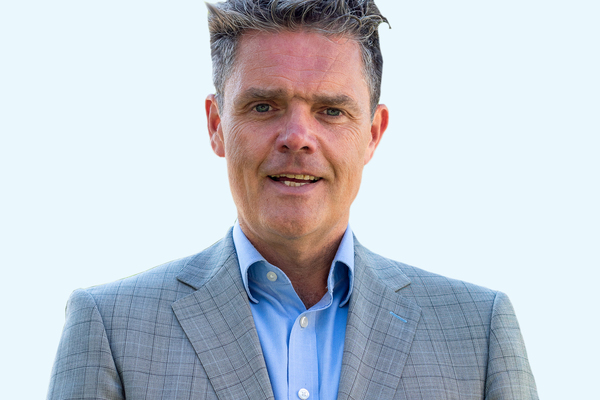
To end rough sleeping, we need to give the homelessness workforce the right tools and resources to succeed, writes Duncan Shrubsole, chief executive of St Martin-in-the-Fields Charity


 We have the workforce to end rough sleeping – now we need a system to match #UKhousing
After years of seeing increasing numbers of people sleeping on the streets, there is now definite cause for optimism.
The prime minister has set a clear lead with his commitment to ending rough sleeping, starting with a plan to offer everyone a route off the streets by Christmas. His plan is both ambitious and achievable – but it relies on a workforce that has perhaps been taken for granted in recent years.
Human connection
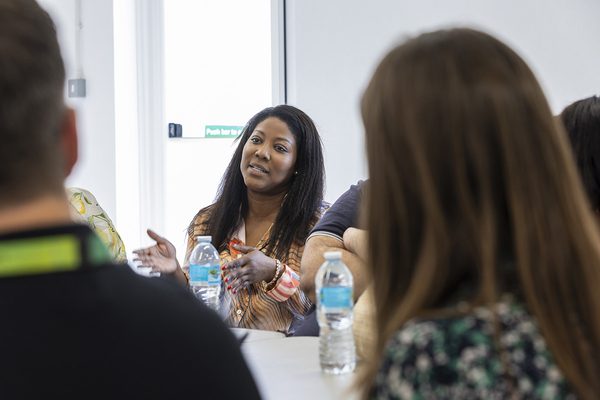
Ask almost anyone who has escaped street homelessness what made the difference, and they will typically name a support or outreach worker, someone who offered a human connection – who listened, built their trust, understood where they had come from and, crucially, where they wanted to get to.
Beneath these relationships is the hard graft of workers turning up day after day and navigating the systems that so often appear impregnable to those who need them most.
“With the best will in the world, you can’t secure housing that doesn’t exist, arrange a tenancy someone cannot afford or provide specialist care that isn’t available”
These unsung heroes are the focus of St Martin-in-the-Fields’ ninth workforce survey, which launched this week.
For this survey, we spoke with nearly 1,300 frontline workers, who collectively represent the perspectives of staff working with more than 20,000 people experiencing homelessness.
Most importantly, 93% of respondents feel they are making a difference through their work. Many also report feeling supported by their managers (79%), and 93% said they had received the core training they needed for the job.
These results show that the homelessness workforce has the skills, motivation and experience needed to deliver this most ambitious of government commitments.
Access denied
But good people alone can only do so much. With the best will in the world, you can’t secure housing that doesn’t exist, arrange a tenancy someone cannot afford or provide specialist care that isn’t available.
More than 80% of surveyed workers report challenges accessing suitable accommodation, and more than half say it has actually become harder to access suitable accommodation in the last 12 months.
An eye-watering 86% say finding housing within Local Housing Allowance rates is “difficult” or “very difficult”.
It’s a similar story with accessing mental health services – around three-quarters of workers say they have struggled to access these services for the people they support.
As well as preventing people experiencing homelessness from moving forward, these barriers place enormous strain on the workers supporting them.
More than half of the frontline worker respondents tell us their role negatively affects their well-being, and more than a quarter say they “often” or “always” feel at risk of burnout.
“We will not end rough sleeping with short-term contracts, patchwork funding, and uncertain, cost-cutting commissioning”
Organisations should invest in staff well-being, training and development and do their best to pay fairly. These should be priorities for every organisation, as they already are for many.
But let’s be clear: there are problems individuals or individual organisations cannot solve alone.
Staff well-being cannot be separated from the question of whether they are actually able to do their vital work, and whether the people they are supporting are actually able to benefit.
As one worker explains: “It’s very hard to listen to desperate stories day after day without the resources in place to be able to sufficiently help people. I keep needing to let people down who are already in despair.”
Homelessness workers know that getting people indoors can be a genuine platform for change, and, what’s more, they know what’s required to prevent and end rough sleeping, and wider homelessness in the longer term – where the system could work but where, too often, it is failing.
What can be done?
Decision-makers should listen to frontline workers’ calls for more suitable housing, more affordable housing, Local Housing Allowance that reflects actual rents, and better access to appropriate health and other services.
We also need the right long-term funding framework for homelessness services, to ensure the services are there for as long as people need them and that they can recruit, pay, support and develop staff, and retain experience and expertise.
With nearly half of staff reporting they aren’t paid enough to cover their own living costs, we will not end rough sleeping with short-term contracts, patchwork funding, and uncertain, cost-cutting commissioning.
This is a workforce that is capable of anything. They have the expertise and commitment to deliver an end to rough sleeping.
What we need now is a system that enables them to give and do their best. We have the political leadership at the top, we must now ensure those on the ground have the right tools and resources to succeed.
Duncan Shrubsole, chief executive, St Martin-in-the-Fields Charity
Sign up to Inside Housing Management’s weekly newsletter
Inside Housing Management is the go-to source for learning, information and ideas for housing managers.
Already have an account? Click here to manage your newsletters.
Related stories