You are viewing 1 of your 1 free articles
Anchor targets damp and mould with new recruits as it looks to finalise regulatory improvement plan
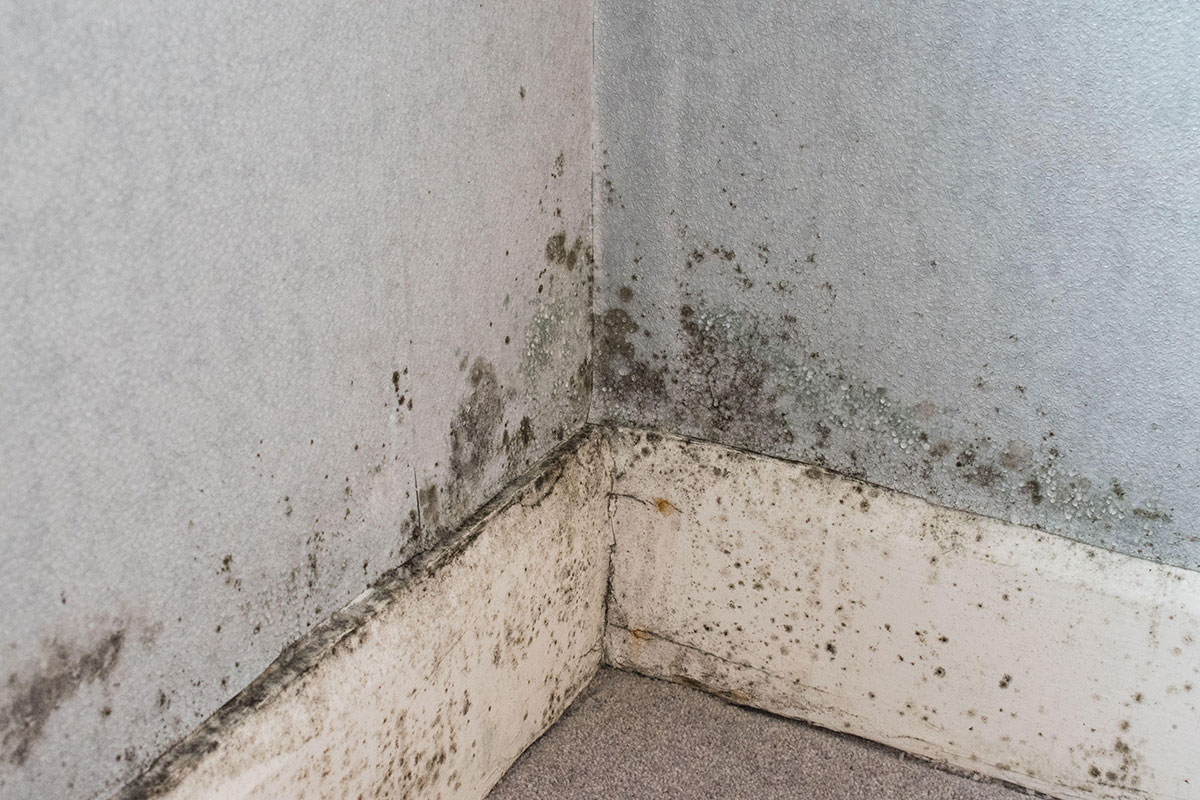
Anchor, the specialist housing and care provider, is recruiting eight extra surveyors to tackle damp and mould, and is finalising its improvement plan with the English regulator.


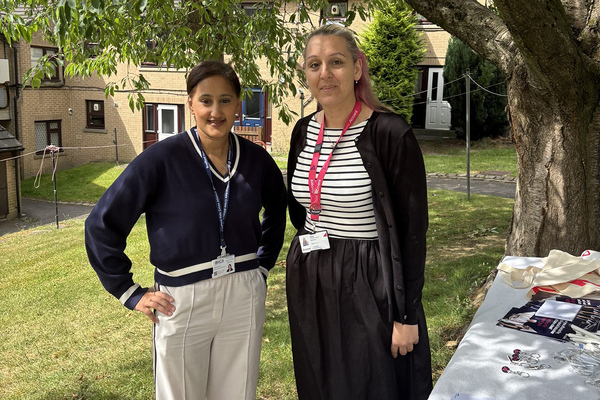
 Anchor, the specialist housing and care provider, is recruiting eight extra surveyors to tackle damp and mould, and is finalising its improvement plan with the English regulator #UKhousing
The plans were set out in its latest annual report, after the Regulator of Social Housing (RSH) found “issues of serious regulatory concern” earlier this year, and downgraded it to a non-compliant G3 for governance.
Part of this concern was due to “incomplete and unreliable information available on the presence of damp and mould”, as well as “weaknesses across landlord health and safety, including fire safety and water hygiene”.
The 54,000-home landlord, which provides housing and care to people aged 55 and over, was also handed a C3 grade in February under the consumer standards.
Anchor’s annual report confirmed that its regulatory improvement plan should be finalised next month, and will be shared with residents and stakeholders once it is agreed.
The care home operator also surveyed 41 buildings over the possible presence of reinforced autoclaved aerated concrete (RAAC). RAAC is known to decay over time and has been linked to ceiling collapses in schools. In England, the RSH previously said it understood that RAAC was not widespread in social housing, but landlords should know whether their homes contain certain components.
In Scotland, 16 landlords have identified RAAC in their homes.
Anchor, which is still rated V1 for financial viability, reported an 8% rise in revenue, to £678.6m, boosted by higher social rents and first-tranche shared ownership sales.
Its surplus was up just over £1m on the previous year, to £11.6m, alongside an operating surplus increase of £10m to £47.7m. This gave the landlord an operating margin of 7%.
Anchor’s completions came in well under a target of 379, at 197, which was also down on last year’s total of 573. Existing stock spend increased to £92.4m from £76.3m.
Christopher Kemball, chair of Anchor, and Amanda Holgate, interim chief executive, said in their foreword to the accounts: “The macroeconomic climate continues to be challenging and both our residents and our business continue to be impacted by high costs, despite inflation remaining fairly stable.
“As well as financial resilience, we are conscious of the work we need to do in order to ensure our properties are energy efficient and fit for the future. We have updated our long-term plans to ensure we have capital resources set aside to achieve net zero carbon by the government’s target of 2050.”
The provider has also changed how it bills residents for service charges. Anchor will move to an annual fixed model to provide certainty on costs and reduce administration. The landlord believes this new billing method can mitigate sharp spikes in energy price rises or building insurance premiums.
Ms Holgate took on the interim position after it was revealed in June that Sarah Jones had left her role as chief executive after three years.
In May, Anchor appointed Sara Thomson to the new role of chief risk officer, following its non-compliant consumer standards grade.
Sign up for our development and finance newsletter

Already have an account? Click here to manage your newsletters
Related stories