You are viewing 1 of your 1 free articles
Awaab’s Law: moving beyond minimum standards
This is an opportunity for the entire housing maintenance sector to drive progress on decarbonisation, resident well-being and long-term asset resilience, writes Gary Wilkinson, regional managing director at WPS


 This is an opportunity for the entire housing maintenance sector to drive progress on decarbonisation, resident well-being and long-term asset resilience, writes Gary Wilkinson, regional managing director at WPS #UKhousing
The introduction of Awaab’s Law marks a pivotal moment for social housing.
Named after Awaab Ishak, whose tragic death in 2020 exposed systemic failures in addressing damp and mould, the legislation imposes strict timeframes for landlords to act on these hazards. It is a vital step toward safer, healthier homes, but it also brings significant operational challenges.
Awaab’s Law rightly demands faster action. Landlords must respond to emergency hazards within 24 hours, investigate non-emergencies within 10 working days and provide written reports within three days of investigation. Urgent repairs must be completed within five working days, and longer-term works must begin within 12 weeks.
Read More
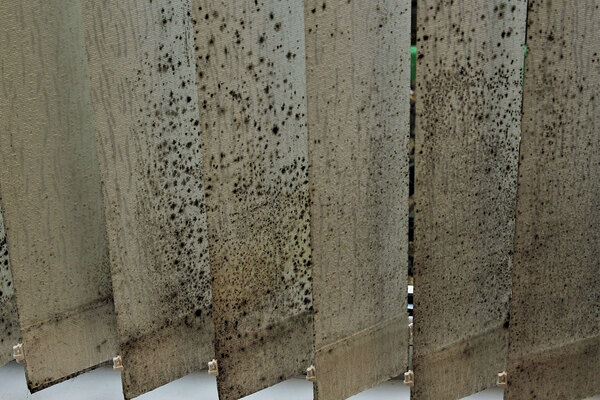
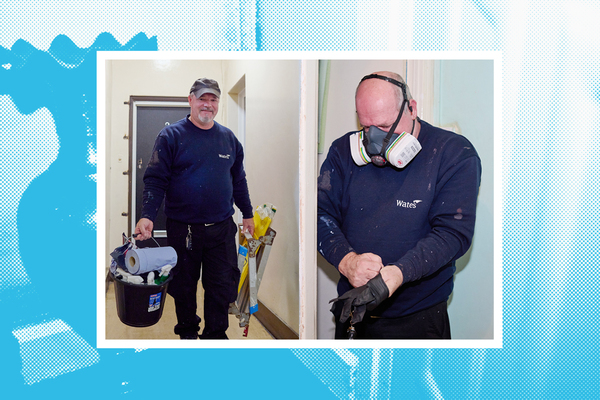
But these standards are about more than just compliance. They are an opportunity for the entire housing maintenance sector to drive progress on decarbonisation, resident well-being and long-term asset resilience.
We’ve set out four guiding principles that we hope the sector will unite behind to deliver broader, faster progress together.
First, a data-driven approach. The more we know about homes, the better we can manage them – and using stock data to identify trends can help set priorities in the management of damp and mould issues.
Data analysis may reveal that a particular property archetype is more prone to damp and mould. This information can then be used to prioritise maintenance by property type, influence better investment decisions and ultimately protect residents more effectively.
“Smart technology and automation continue to drive efficiencies in property management, and damp, mould and disrepair are no exception”
Second, embracing technology for smarter monitoring. Smart technology and automation continue to drive efficiencies in property management, and damp, mould and disrepair are no exception.
Environmental sensors fitted in homes monitor humidity, damp and mould risk and CO2 levels. The sensors are linked via a digital gateway to a software solution that distributes real-time alerts from the sensors, allowing housing providers to monitor and manage risk in a sophisticated and effective way.
Third, holistic asset management. With increasing compliance obligations and regulatory reform driving rising standards, there’s an opportunity to plan maintenance that meets multiple challenges through individual programmes.
For example, decarbonisation projects that improve energy efficiency and support PAS 2035 compliance can also eradicate damp and mould. With the right ventilation, upgrading fabric measures – such as windows, doors and insulation – increases heat performance while reducing the risk of damp and mould.
“Informed and empowered residents can help prevent problems from escalating, provide valuable feedback to guide asset management and support smoother delivery of maintenance programmes”
And finally, bringing residents along for the journey. Resident engagement plays a vital role in tackling damp and mould by enabling early identification of issues, improving access for inspections and repairs and fostering trust between tenants and housing providers.
Informed and empowered residents can help prevent problems from escalating, provide valuable feedback to guide asset management and support smoother delivery of maintenance programmes.
Tailored education and proactive communication also help residents maintain healthier homes and make simple changes, like opening windows and ensuring ventilation, that can significantly reduce the risk of damp and mould.
While immediate compliance is essential, the sector must also prepare for what’s next. The phased rollout of Awaab’s Law continues into 2027, alongside other reforms such as the Building Safety Act and PAS 2035.
We’re already working with clients to align retrofit programmes with properties at highest risk of damp and mould, using sensor data and predictive analytics to target interventions that satisfy both EPC and disrepair obligations.
Housing providers need assurance from national government, not just to meet legal obligations, but to create homes where people can thrive. We’re committed to leading this transformation, helping the sector move beyond minimum standards towards a future of healthier, safer and more sustainable homes.
Gary Wilkinson, regional managing director, WPS
Sign up to Inside Housing’s Asset Management newsletter
Inside Housing’s Asset Management newsletter brings you comprehensive in-depth news, comment, insight and analysis of how affordable housing providers are managing their homes
Click here to register and receive the Asset Management newsletter straight to your inbox.
And subscribe to Inside Housing by clicking here.
Already have an account? Click here to manage your newsletters.
Related stories