You are viewing 1 of your 1 free articles
Landlords performing badly on safety TSMs will face questions, regulator warns
Landlords that do poorly on safety indicators in the tenant satisfaction measures (TSMs) will face questions from the Regulator of Social Housing (RSH), its director of strategy has said.


 Landlords performing badly on safety TSMs will face questions, regulator warns #UKhousingLandlords that do poorly on safety indicators in the tenant satisfaction measures will face questions from the English regulator, its director of strategy has said #UKhousing
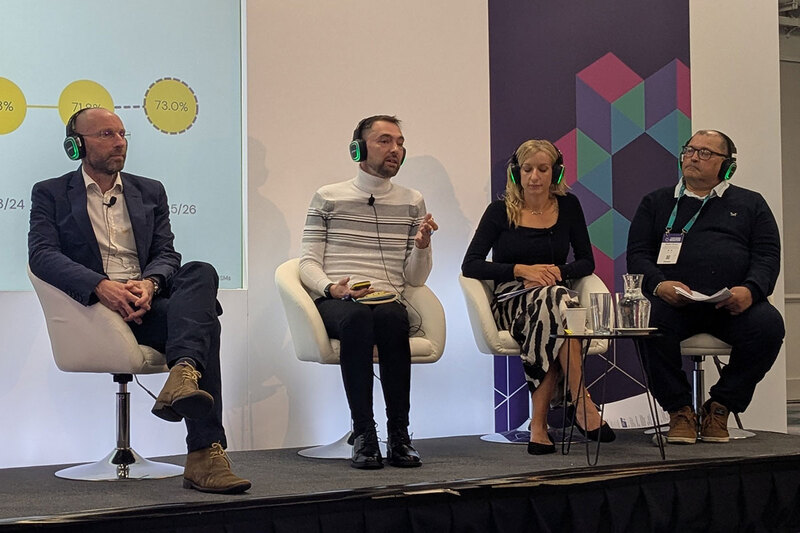
Will Perry told the Housing Brighton conference on Thursday that while the English regulator usually treats TSMs as evidence to guide inspections rather than a scorecard, the RSH also looks at them “in a trigger kind of way”, particularly management information relating to safety.
“You should be hitting 100% compliance on all of your safety indicators,” he told delegates.
“If you’re not and you’re missing them by quite a margin, we will come and ask. Because that is one of your fundamental responsibilities – keeping your tenants absolutely safe, meeting with your health and safety checks. There is absolutely no excuse there.
“So that is one area where it is an absolute trigger for us coming and asking you some searching questions.”
Mr Perry said the RSH has yet to identify “egregious safety failings” in the indicators.
“Just because a check hasn’t been carried out, doesn’t mean that the property that hasn’t been checked is unsafe. It means that you don’t know whether it is or not – and that’s the important thing,” he said.
When following up with these landlords, the regulator has found that providers are doing work to tackle the issues, such as catching up on works or sorting out contractor performance, Mr Perry added.
Earlier this year, Inside Housing analysis of TSM data revealed thousands of missing safety checks and assessments. However, overall compliance was high, with more than 98% of checks done for gas and fire and over 97% for asbestos, water and lift safety.
In the session, Mr Perry also commented on complaint-handling scores in the TSMs. He described the 35.5% overall score as “dire” and “something that I think we should all be questioning ourselves about”.
He acknowledged that respondents to this measure are predisposed to be unhappy with their landlord as they have had to make a complaint.
Asked by Inside Housing why the sector is doing poorly on complaint-handling, Mr Perry said there is evidence of providers in some cases not having figured out how to effectively manage their relationship with the people who raise issues.
“Sometimes it comes down to communication; sometimes it comes down to the fact that issues don’t get resolved quickly enough,” he said.
“Sometimes it comes down to that basic feeling of not being treated with fairness, with respect.”
Another issue is that residents complain about underlying issues and landlords then “reinforce the hurt” by not dealing with the complaint effectively, he added.
“If you are one of those providers who has a particularly low level of complaint satisfaction, I think that is usually indicative of wider issues within your systems, within your relationship with your tenants, within the way you communicate with your tenants and the way you deliver services.”
Sign up to Inside Housing’s Regulation and Legal newsletter
Sign up to Inside Housing’s Regulation and Legal newsletter, featuring a weekly bulletin with news and insight on regulation, key legal rulings, legislation and court cases.
Already have an account? Click here to manage your newsletters.
Related stories