‘Shameful’ number of children in temporary accommodation in England hits record high
Charities have called for action after the number of children living in temporary accommodation in England reached a new record high.


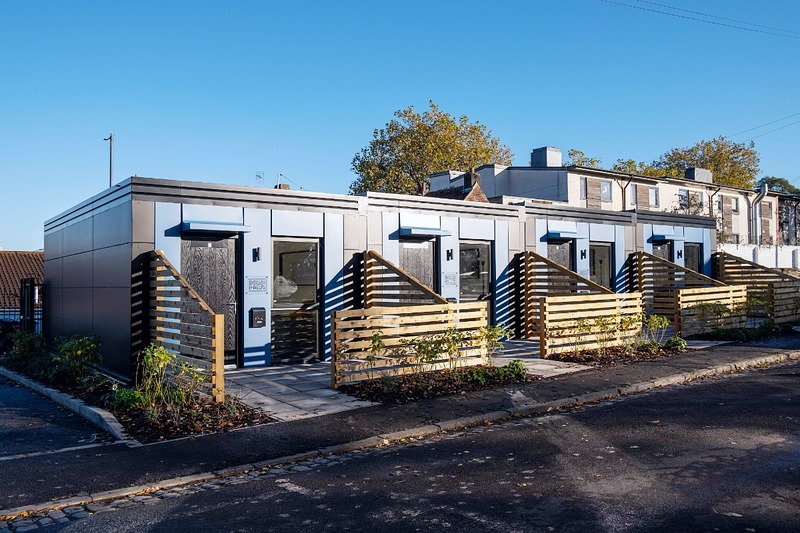 Charities have called for action after the number of children living in temporary accommodation in England reached a new record high
Nearly 180,000 children were living in temporary accommodation (TA) in England at the end of June, quarterly figures from the government showed today.
The figure is the 19th rise in a row, an increase of 0.6% on the previous three months and up 3% on this time last year.
It is part of a wider rise in the number of people experiencing homelessness who are in temporary housing while they wait for a permanent place to live.
As of June, there were 136,000 households in temporary accommodation – another record number, and up approximately 2.7% compared with 12 months ago. Almost two-thirds of these families have children and one in three are in accommodation outside their home borough.
There was some more positive news within the statistics. The number of homeless families with children living in unsuitable bed and breakfast (B&B) accommodation fell by nearly half in the past year, to 1,750 households.
Read More

A smaller proportion of families were in this accommodation past the statutory limit of six weeks, though 920 households were still in this position, more than half the total.
The new record figures sparked further calls for the government to address the crisis.
Alicia Walker, assistant director of activism and advocacy at charity Shelter, called the milestone “shameful” and blamed it on “decades of poor political choices” that diminished the supply of social homes.
“The only way to truly end the housing emergency and give all children the safe and secure home they deserve, is for the government to deliver the new generation of social homes it has promised,” she said.
Others pointed to the impact of high rents in the private sector.
Rosie Worsdale, senior policy advisor at the Joseph Rowntree Foundation charity, said: “We know that unaffordable rents are a leading cause of homelessness and leave families languishing in temporary accommodation, as they can’t afford to find somewhere affordable to rent.”
She said the government’s decision to keep housing benefit frozen would make the situation worse and a cap on rents linked to inflation would tackle the rising cost of housing benefit, while giving renters “breathing space”.
This was echoed by Matt Downie, chief executive of charity Crisis. He urged the government to “rethink the decision to keep housing benefit frozen and so wildly out of step with the true cost of renting”.
“Ensuring housing benefit covers the cost of renting is one of the best ways to prevent rising homelessness,” he said.
The figures showed that most people living in temporary accommodation are in London. In the capital, 21 households per 1,000 are in this type of housing, approximately four times the rate for England as a whole.
A member of London-based charity Groundswell’s Surviving TA Action Group, who has lived in temporary accommodation with their son, described the reality for children stuck in this housing.
They said: “Growing up in TA means your childhood is spent packed away in boxes, constantly waiting for a knock on the door or a notice to move.
“My son had to deal with this and it’s not easy for him. Because we heard nothing from the council, he couldn’t enrol in school and had to stay at home.
“TA strips away a child’s ability to learn. We aren’t just looking at a housing failure. We are watching a whole generation of children have their childhoods stolen by a system that treats them like an administrative problem to be managed.”
Liz Wyatt, an organiser from homelessness support group Housing Action Southwark and Lambeth (HASL), said the temporary accommodation crisis in London was “reaching devastating new heights”.
She said: “It is causing unimaginable suffering, with children bearing the brunt of this. Children are spending most of their childhoods in cramped, hazardous, mouldy, slum-like conditions.
“As well as facing intolerable conditions, homeless families are often housed outside of their home borough, with children facing long journeys to school across London.”
Overall, 80,600 households were at risk of, or experiencing, homelessness in England between April and June, an annual increase of 2.5%.
Compared with the same time last year, there was a nearly 5% rise in the number of households found to be owed a prevention duty, and a 4% drop in those who were found to be owed a relief duty, meaning they were already experiencing homelessness.
One figure of interest was a spike in the number of households who were threatened with homelessness due to a Section 21 (‘no-fault’ eviction) notice, up by 9% on the previous year. April was the last month that the notices could be issued before they were banned under the Renters’ Rights Act, yet Section 21 notices were the reason why more than 7,000 households were at risk of homelessness in this quarter.
Holly Williamson, chief executive of campaign group Generation Rent, said: “The fact that so many landlords decided to evict tenants simply because the law was changing is a reminder of just how insecure renting was under the old system, and why giving renters greater security in their homes was so important.”
Sign up to Inside Housing’s Homelessness newsletter
Sign up to Inside Housing’s Homelessness newsletter, a fortnightly round-up of the key news and insight for stories on homelessness and rough sleeping.
Already have an account? Click here to manage your newsletters.
Related stories