The first days of Awaab’s Law: how are social landlords coping?
With Awaab’s Law now in effect, Ellie Brown finds out the initial impact on social landlords and how they prepared. Photography by Dan Joseph


 The first days of Awaab’s Law: how are social landlords coping? #UKhousing
On 27 October 2025, Awaab’s Law came into force. Its aim is to transform how social landlords in England carry out repairs and manage their homes. Inside Housing spoke to repairs leaders across different landlords to find out how the housing sector has prepared for the new regime and the challenges it is likely to face.
The law is named in memory of Awaab Ishak, who was just two years old when he died in 2020 from an illness caused by long-term exposure to mould in his home. Housing association Rochdale Boroughwide Housing had failed to deal with the problem, which a coroner found was caused by inadequate ventilation. This was despite repeated requests from his parents, who were ignored or blamed for the disrepair.
Read More



The law aims to ensure such a tragedy never happens again. Under the new regulation, social landlords must meet strict deadlines when assessing and fixing hazards in their properties, move tenants out if the homes cannot be made safe quickly enough and consider residents’ vulnerabilities when making these decisions.
Awaab’s Law is “the biggest change in repairs I can remember”, says Michael Edwards, director of reactive repairs at Southern Housing. He has spent decades working in maintenance, starting out as a gas engineer.
We speak three days after the law came into effect. He and colleague Carl Dewey, director of repair and estate transformation, had been feeling confident in the run-up despite uncertainty over the impact of the law on repair demands at the 80,000-home landlord.
Uncertain scale of change
The number of calls went up on 27 October, but they say this did not translate into a tidal wave of disrepair cases. Many residents were asking about the law, which had been covered in the media that day. A small increase in calls is normal at this time of year, Mr Dewey adds.
But the pair stress that it is still early days. Shocks could still appear. They keep repeating that they have not run into major problems so far – “touch wood”.
Mr Edwards plans to reach out to colleagues at the G15 group of London landlords to ask them: “How are you coping, and have you still got all your hair?”
It is a similar story when I chat to other landlords before and after the law comes in. Alistair Smyth, director of policy and research at the National Housing Federation (NHF) trade body, says that following “a lot of checking in” with landlords over the months prior, the sector is feeling “reasonably well prepared”. However, there is uncertainty over the scale of cases that will be directed through Awaab’s Law and whether enough resources have been put in place.
“So there’s an element of trepidation within that broader sense that the sector has done a lot to get ready for this,” he adds.
Awaab’s Law brings in many new requirements for social landlords, including to look into and fix emergencies within 24 hours, investigate significant hazards such as serious damp or mould within 10 working days, and make homes safe within five days.
Landlords must also consider tenants’ vulnerabilities, offer them an alternative place to stay if homes cannot made safe within the timescales, and send written summaries to tenants three days after an investigation.
Mr Smyth explains: “Timing in itself is not a new thing, but this is underpinned by legislation and comes with a whole new set of potential issues for housing associations if they don’t get it right.”
Even if landlords do not fix a problem in time, they may not necessarily be breaching the law if they have made “every effort” and the delay is due to circumstances beyond their control, the guidance states.
But landlords risk being taken to court by tenants for breach of contract if they do not meet obligations. If found at fault, they could be ordered to carry out the repair, pay tenants compensation and cover legal fees.
Housing ombudsman Richard Blakeway says when investigating cases, the watchdog will consider whether landlords should have applied the law and link orders with the timescales set out in the regulation. He adds that the ombudsman will prioritise cases involving the regulation so it can investigate and share insight quickly. It will also change its template for evidence requests so it includes information relevant to the law.
Mr Blakeway says the watchdog has updated its system so it can capture outcomes against the requirements, following feedback from landlords keen for specific insights, such as what is considered a ‘significant hazard’. “So we’ll be able to quantify where we’ve upheld cases in relation to Awaab’s Law… what the reasons were and how those relate to prescribed requirements,” he explains.
But this is not the end of the Housing Ombudsman’s potential involvement. The watchdog and other third parties are able to cite Awaab’s Law when making landlords aware of hazards; it does not solely rely on tenants to raise the issue.
In theory, landlords should be able to meet the law’s obligations. They are already obliged to carry out repairs to the structure of a home, including essential utilities, under Section 11 of the Landlord and Tenant Act 1985 and must ensure homes are fit for human habitation under an amendment brought into law in 2018.
The Housing Act 2004 brought in a means of categorising serious hazards in the home and forced landlords to act through council inspections and notices. But, as Mr Blakeway points out, there has been a “postcode lottery” in how this worked.
“Until environmental health issued an improvement notice, or said it was a [Category] 1 or 2 hazard, action may not necessarily have flowed,” he says. “And within that, you’ve got such varying approaches and capacity.”
In practice, as is clear from ombudsman cases and the death of Awaab, some landlords have historically fallen short of ensuring homes are free of serious hazards and responding quickly to reports of significant disrepair.
Steve Partridge, head of the affordable housing consultancy at Savills, says the “fundamental proposition” over how much the law will cost social landlords depends on whether they will need more staff.
When we speak four days before the new regime goes live, he says: “It’s not asking [landlords] to do something [they] shouldn’t otherwise be doing.”
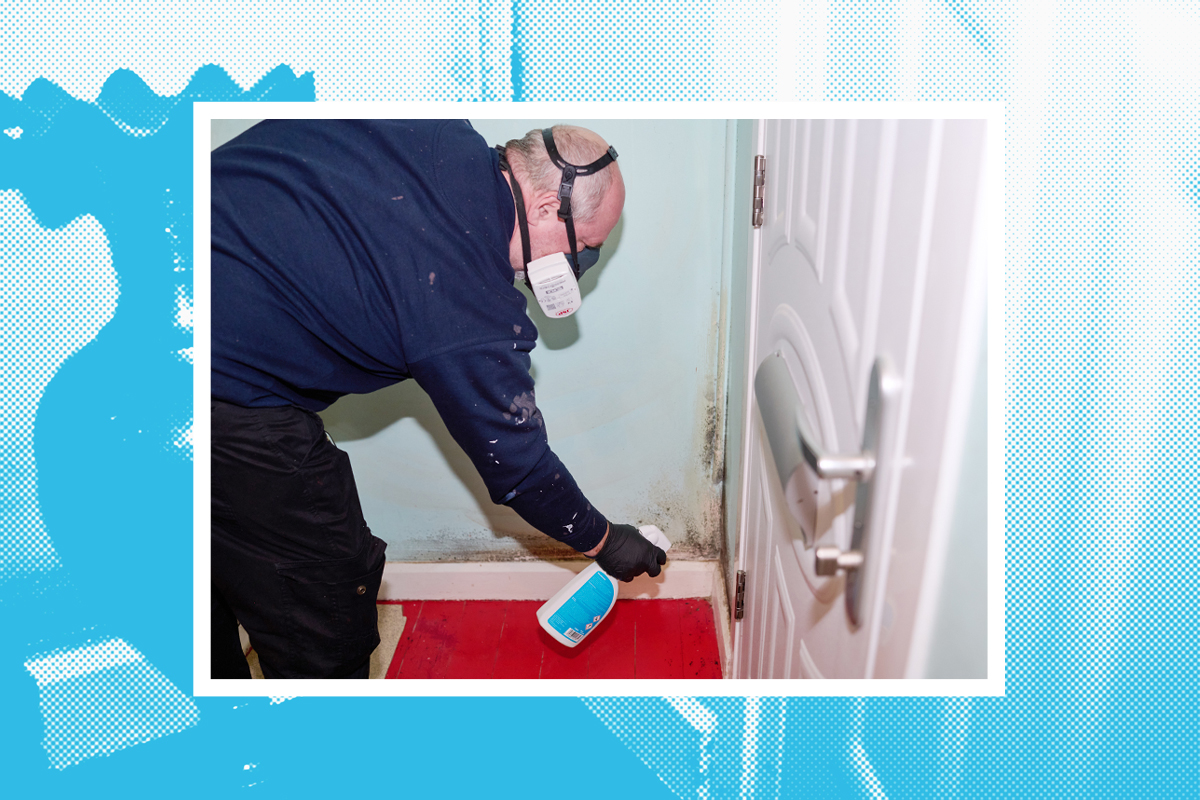
The law has not raised standards, just “formalised some of the timeframes”, Mr Partridge explains. “But the reality is that many landlords… don’t meet those so therefore they might find the statutory, legislative nature of it really challenging.”
Mr Blakeway says he has heard “more reassurance than assurance” from landlords about the changes, meaning some are claiming readiness without evidence.
“That may be happening internally. I’ve just not seen it,” he adds. “I’ve not seen a landlord come along and bang a piece of paper on the desk saying, ‘Here’s how much we’ve spent; this is the impact.’”
There are 1,700 social landlords in England and many have not been speaking about preparation for Awaab’s Law, especially smaller providers with limited resources and potentially different operating models. This means “you can’t extrapolate what one landlord has done and assume, therefore, all landlords have taken the same approach”, Mr Blakeway states.
“It’s always disappointing that it tends to take a tragedy for something to happen. Somehow we’ve got to be better as a sector and as a nation”
Despite this, he has spotted some trends. Investment, call centre readiness and triage are “probably the three most common things I hear”, he says.
Eve Blezard, policy lead for asset management, building safety and culture at professional body the Chartered Institute of Housing, also reports that landlords have been focusing on triage. This includes looking at flow processes and scripts for call centre staff and the “interaction between hazard and health in the home” for housing managers on the ground, she says.
Finance, technology and triage preparation
Mr Smyth of the NHF, which counts nearly 600 housing association members, says landlords have been “increasing resourcing across the board”. This includes rolling out different levels of training for current staff and bringing in more repairs workers and surveyors.
He confirms that Awaab’s Law has prompted additional spending from landlords, but says this varies depending on the size of the organisation. Small to medium-sized organisations have spent hundreds of thousands, while several millions of pounds have been spent by larger landlords.
Mike Smart, managing director of property services at 85,000-home Sovereign Network Group (SNG), says the housing association began work on managing damp and mould in 2021. Since then, SNG has had two audits by accountancy firm PwC to check how it is doing.
Mr Smart, who previously managed buildings such as schools and hospitals before joining SNG, says the board’s “commitment” and the team’s work have “given us a position that we can go – dare I say it – into the environment, onto the football pitch, and we are going to do really well”.
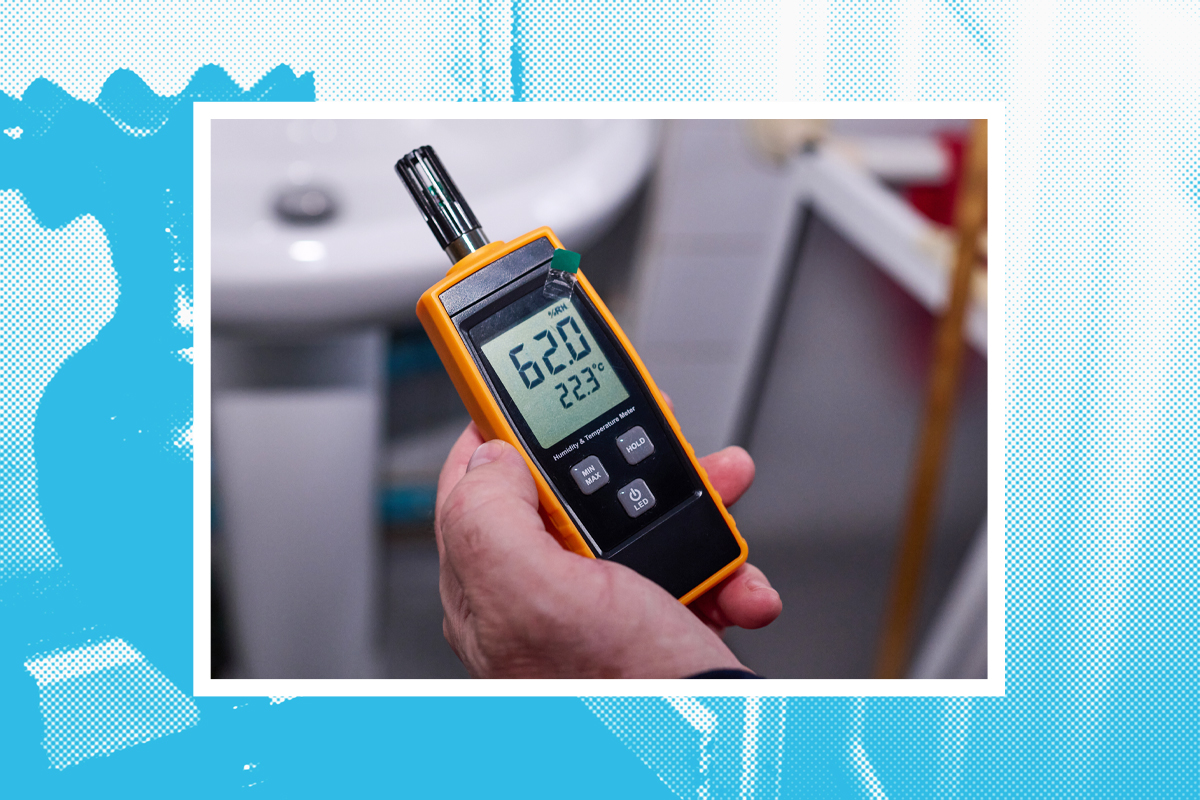
SNG brought in e-learning modules, funded formal qualifications for employees, and made a “significant investment in surveyors, trades, engineers and administration support”, he explains.
But it is the triage system that SNG has built, with an audit trail for decisions at its contact centre, which has proved to be the most effective on the ground. When we catch up a week after Awaab’s Law came into effect, Mr Smart says frontline staff have described the triage system as a “game-changer”.
LiveWest, which owns and manages 40,000 homes across the South West of England, carries out around 140,000 repairs per year. It has spent an estimated £500,000 on preparatory work, including on technology.
Liane Sheppard, director of property services, says LiveWest brought in a damp and mould team with remote video-surveying capability four years ago, after the ombudsman encouraged social landlords to test their approach to the hazards. More recent additions include tools to track surveyors’ response times and diagnose hazards using photos from residents.
But recruitment has been a challenge for LiveWest. Although specialist roles have been filled, the housing association is considering bringing in apprentices next year due to the demand for surveyors.
When asked days before Awaab’s Law is brought in if she is feeling nervous for the next week, Ms Sheppard says: “No, I’m not. I’m excited.”
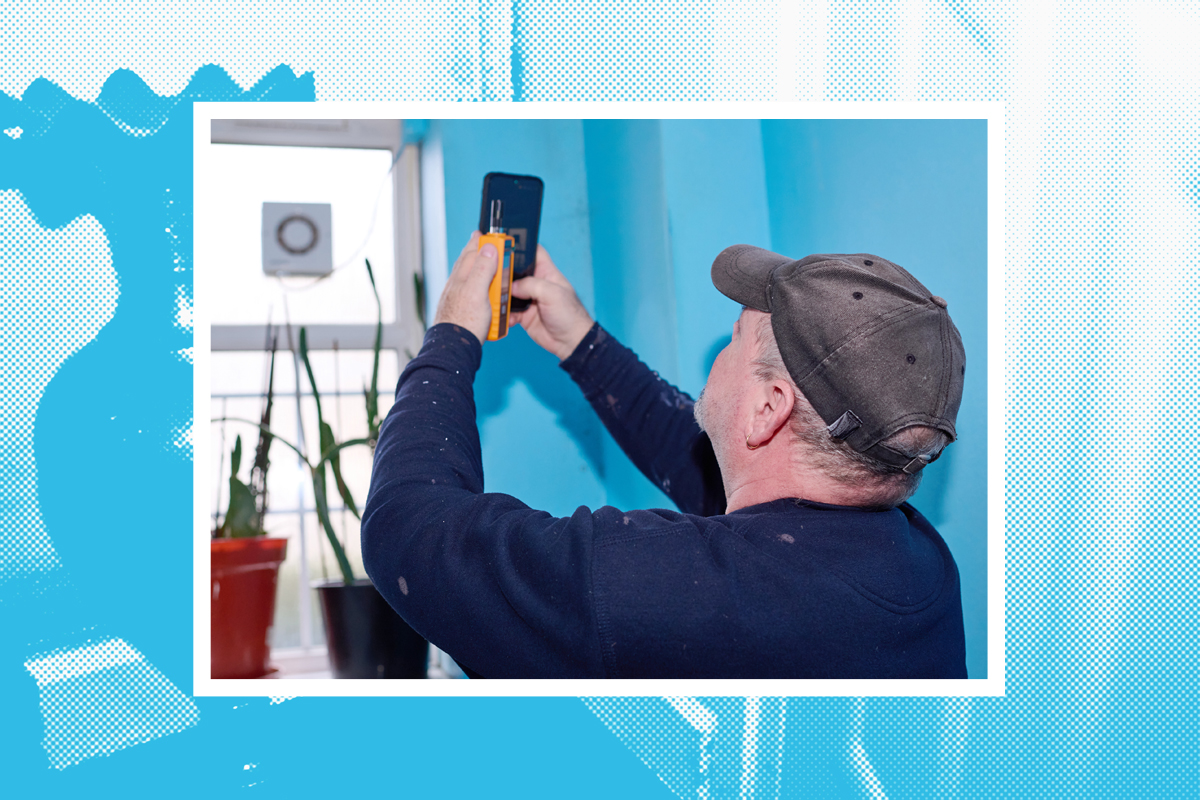
Southern has streamlined its systems and hiked pay for surveyors. It is also installing extractor fans that can capture data in all new homes, as well as voids and properties with damp and mould.
However, the damp and mould team the association established a year-and-a-half ago has encountered teething problems. At first, four case-handlers surveyed properties then handed these over to regional teams to carry out the repairs. But Mr Edwards says Southern “quickly realised that wasn’t going to work” as there were “too many hand-offs”, demand was higher than expected and the team was receiving a lot of cases outside its scope. The team now manages the contractors that carry out the work and it has been expanded to include technical surveyors.
Despite the challenge for all landlords in meeting Awaab’s Law amid other pressures facing the housing sector, the reason why the regulation is needed is clear. As Mr Dewey of Southern says: “It’s always disappointing that it tends to take a tragedy for something to happen. Somehow we’ve got to be better as a sector, and as a nation probably, that actually we shouldn’t have to wait for that sort of thing to happen before we start thinking about it.”
However, he adds: “If out of the back of this, we never have another issue where a resident is left in a potential harmful situation, it’s got to be a positive.”
Sign up to our Best of In-Depth newsletter

We have recently relaunched our weekly Long Read newsletter as Best of In-Depth. The idea is to bring you a shorter selection of the very best analysis and comment we are publishing each week.
Already have an account? Click here to manage your newsletters.
Latest stories