You are viewing 1 of your 1 free articles
Social renters bear brunt of furniture poverty but only 3% of new lets are furnished, research finds
Social renters are four times as likely to be in furniture poverty than homeowners, but just 3% of new social lets are furnished, according to new research.


 Social renters bear brunt of furniture poverty but only 3% of new lets are furnished, research finds #UKhousing
Social tenants are also more exposed to severe mental or physical health impacts from lacking essential items compared to private renters and owner-occupiers.
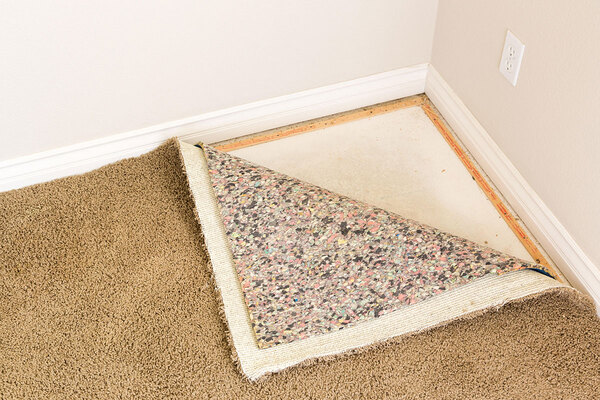
Around half a million people in social rented homes are living without flooring because they cannot afford it, the study found.
The analysis further revealed that people from ethnic minority backgrounds and people with a disability affecting their daily life are twice as likely to face furniture poverty than their counterparts.
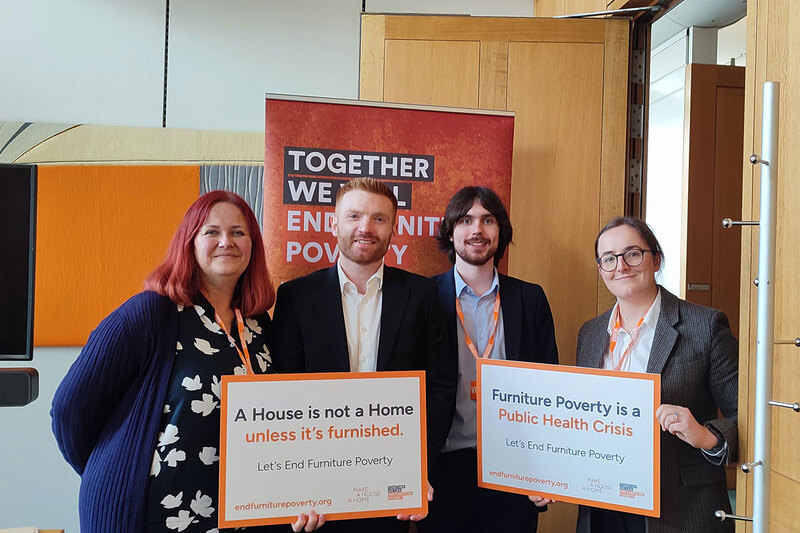
Campaigning group End Furniture Poverty (EFP), which commissioned the research, has reiterated calls for 10% of social housing stock to be let fully furnished.
The group urged social landlords to retain flooring between tenancies where possible, bring in furniture reuse schemes and a furnished tenancy service, and include flooring and decoration as a minimum standard for voids.
It also called on the government to make it compulsory for social landlords to offer furnished tenancies to all residents who are experiencing furniture poverty or in full means-tested benefits.
Claire Donovan, director of EFP, said: “Our report reveals shocking figures that highlight the devastating impact furniture poverty has on families every day across the UK.
“The emotional and social toll means people can feel ashamed to invite others into their homes, increasing social isolation and further impacting well-being.”
The study took place primarily through a survey by the National Centre for Social Research (NatCen) in 2025, alongside in-depth interviews and focus groups.
It found that an estimated four million adults and one million children are in households that cannot afford basic furniture, appliances and furnishings.
EFP said there has been no significant change on the results of the 2022 survey, which found around five million adults and one million children faced furniture poverty.
Dining tables are the most likely item people are unable to afford, with between 1.8 and 2.4 million people lacking chairs and a table to eat from.
Up to 1.6 million people live in housing without flooring, 1.3 million lack wardrobes or clothes storage and 1.1 million do not have sofas, the study found.
Other common items missing from homes include window coverings, beds, fridges, cookers, washing machines and freezers.
The research found that income is the “main determinant” of furniture poverty, while single-parent families, people out of work and younger people are among those worst affected.
The report acknowledged furniture poverty has “slightly declined” among social housing tenants and highlighted increased attention to the issue within parts of the sector.
More social tenancies are now offered with furnishing compared to the 2% previously recorded, though by comparison 30% of new private sector tenancies are furnished.
But researchers stressed that people living in social homes are more at risk of lacking essential furnishings than private tenants and homeowners.
They called on government to ensure that a planned pilot to develop ways the social housing sector can provide floor coverings for tenants is “swift [and] substantive”, with “minimum requirements for landlords to meet”.
Former prime minister Gordon Brown has backed the report, and last year his charity and four major UK retailers partnered with Prince William’s homelessness project to furnish 250 homes.
The National Housing Federation (NHF) has previously backed a “pilot” of requirements for floor coverings in all new social tenancies amid concern about the cost of the policy to the sector.
Kevin Garvey, head of member relations at the NHF, said: “We know that furnishings and floor coverings are an important part of what makes a house feel like a home.
“It is common for housing associations to have support in place for residents, including financial support and vouchers, but we recognise that more needs to be done to support residents in furniture poverty.
“We fully support End Furniture Poverty’s recommendations for local authority support funds to be strengthened so that they have greater capacity to help residents in furniture poverty.
“While this support does currently exist, it is restricted by local authorities’ broader financial pressures.
“The NHF and our members are also committed to working with the government and other stakeholders on a floor covering pilot, which will help explore existing best practice and cost in this important area.”
Sign up to Inside Housing’s Asset Management newsletter
Inside Housing’s Asset Management newsletter brings you comprehensive in-depth news, comment, insight and analysis of how affordable housing providers are managing their homes
Click here to register and receive the Asset Management newsletter straight to your inbox.
And subscribe to Inside Housing by clicking here.
Already have an account? Click here to manage your newsletters.
Related stories